Ancient Caves
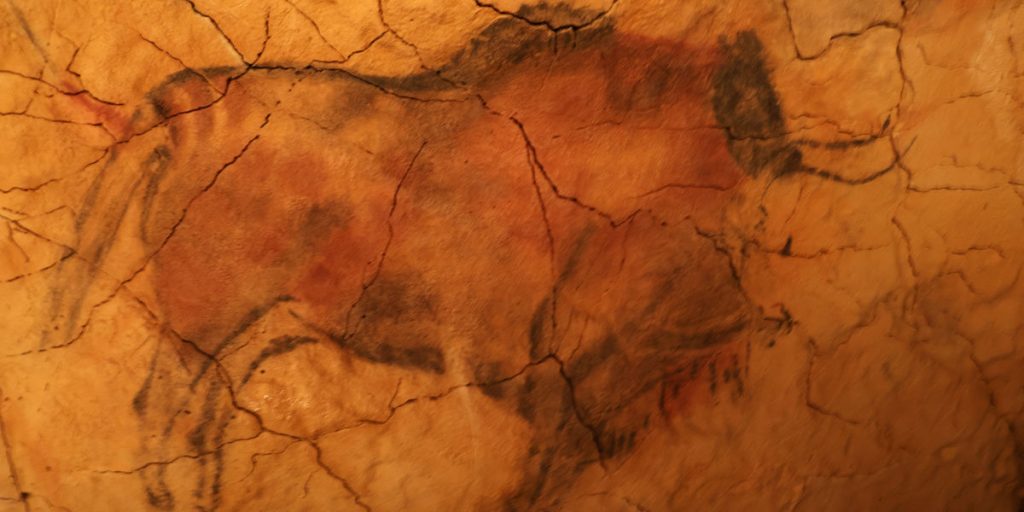
After viewing the Solar Eclipse, some of us stayed on to go on a second New Scientist tour – Ancient Caves and Human Origins. It would be a chance to visit various caves in northern Spain, and view neolithic cave art with our own eyes.
I’ve tried to write up what we saw here. Unfortunately, my visual memory is atrocious, and we weren’t permitted to take photo or video recordings within the caves themselves. So my descriptions of the interiors is going to be limited.
The tour suggested good boots and walking poles, but in reality a pair of decent trainers with good grip would have been sufficient. We never used the poles we purchased for the trip. As someone who spends his time sitting in front of a computer, none of the caves provided much of a challenge. As long as you can walk a few kilometres, and you have use of all four limbs (there was some scrambling required in places), it shouldn’t be a problem if you don’t have walking difficulties.
The one complication is that some of the paintings are quite hard to see, so those with poor eyesight sometimes struggled.
We had a local guide who knew how to get around and did the required cat herding, plus Dr Elodie-Laure Jimenez who provided some fascinating evening talks and was on hand to answer our questions during the field trips.
El Pindal
On our first day, we headed to El Pindal, which was to be my first encounter with a real cave. The route down was via some steep steps, which led to a small natural platform looking out to sea. There was a very sharp drop on one side, and an iron gate blocking off access to a dark cave.
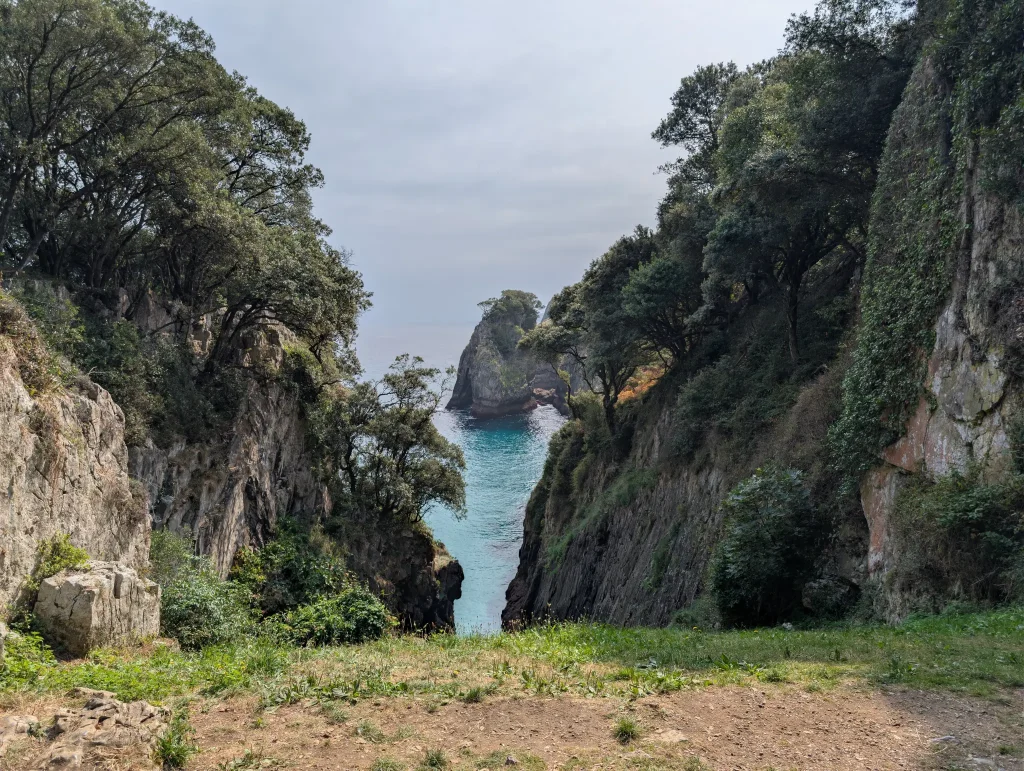
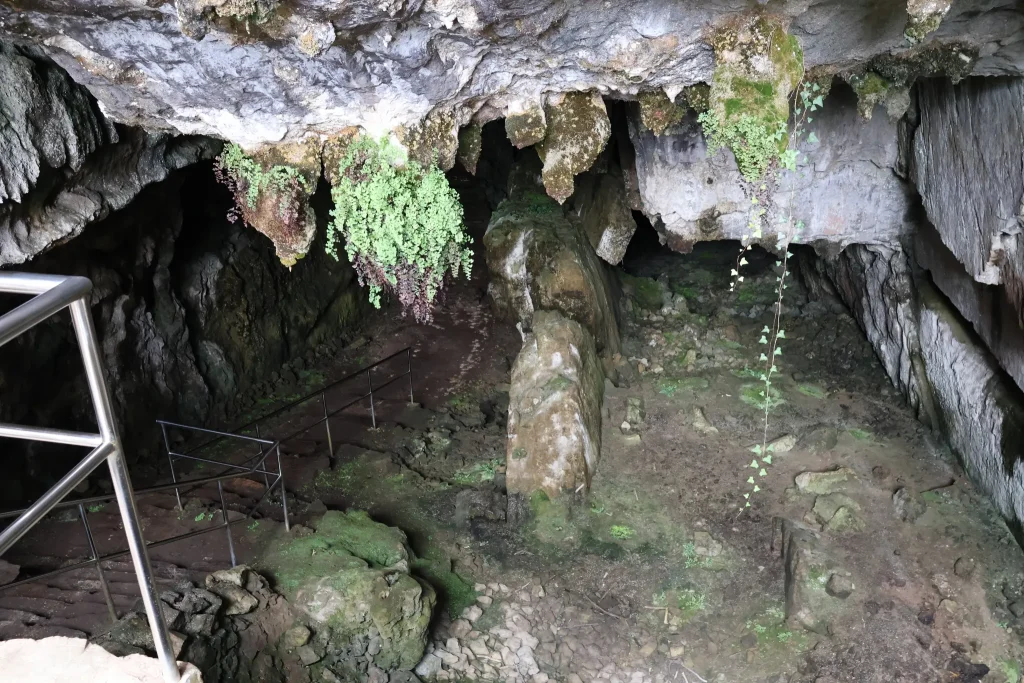
It’s a long narrow cave, which really made me rethink how to design caves for fantasy TTRPGs. There were paintings at the far end of the cave.
Candamo
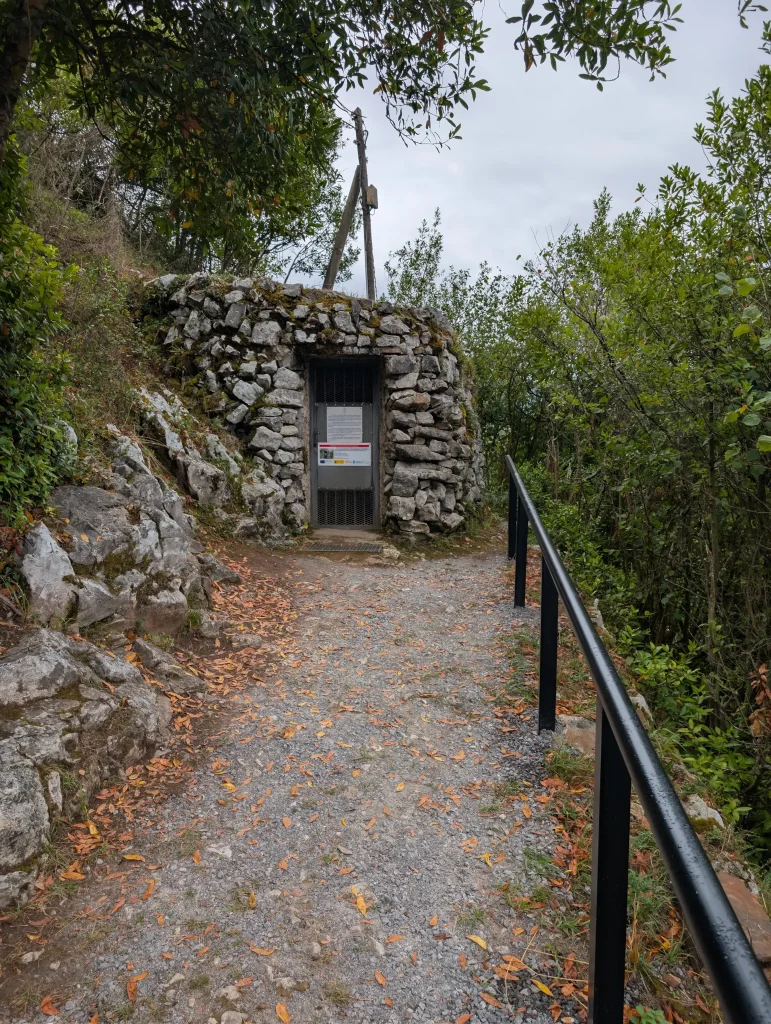
The second cave on our tour was Candamo. This was up a long but gentle slope. Inside, the cave consisted of two long sections, separated by a steep set of steps that went up and through a narrow opening.
Again, the paintings were at the back of the second section, including a horse painted up near the ceiling.
El Pendo
El Pendo was reached via a well maintained but twisty path which was somewhat slippery given the recent rain. The cave mouth itself was impressively large.
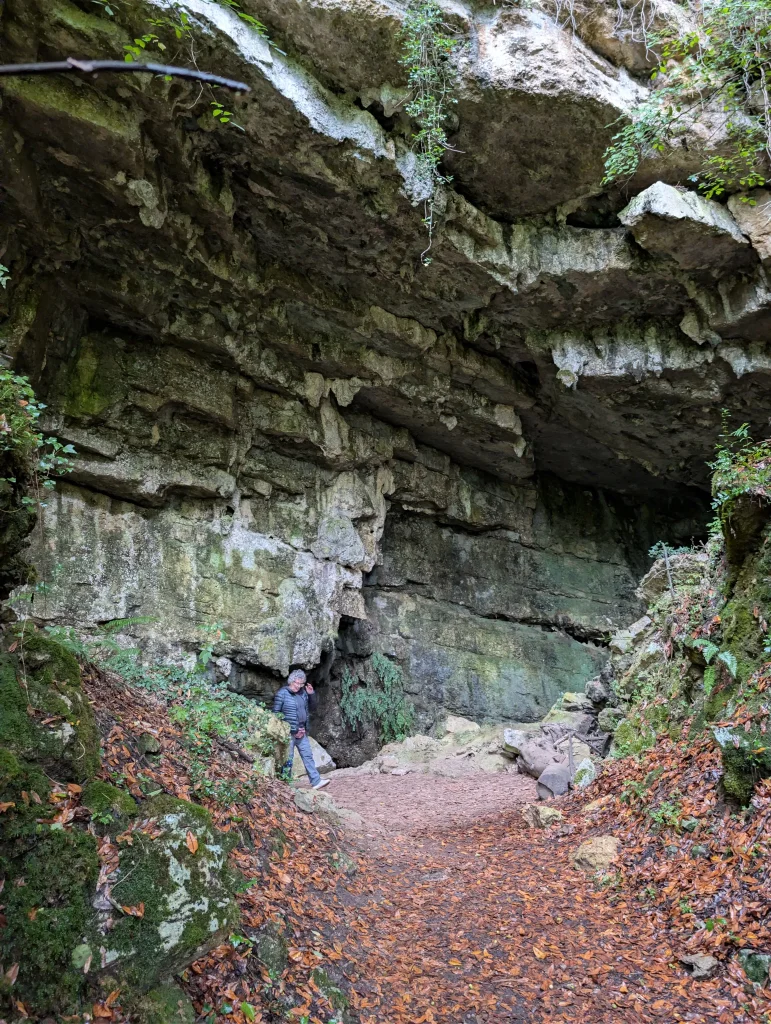
Once we got into the cave though, wow. It was a huge chamber. An old river bed twisted through the centre of the cave, and there were walkways constructed to allow easy access across it. The cave had recently seen archaeological activity, so there was still equipment laid out.
A platform at the rear of the cave gave a good view of the paintings across the back wall.
Altarmira
In the afternoon we headed to Altamira. This cave has been so badly damaged due to tourist activity that access to it is now strictly limited. So we weren’t permitted into the cave itself. However, there is a replica of it in the visitor centre.
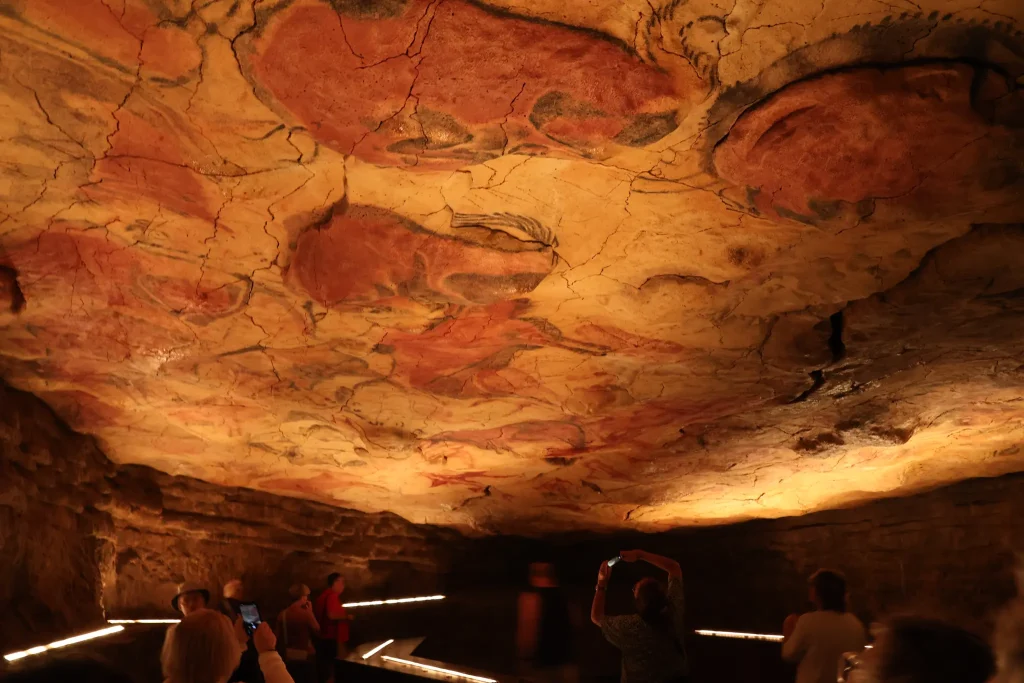
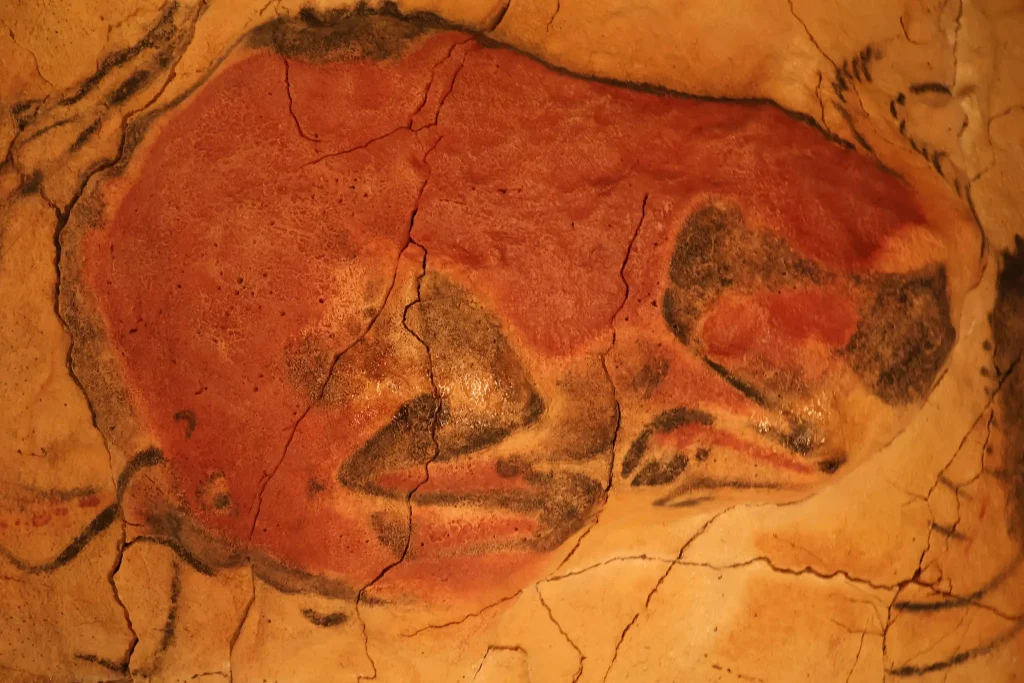
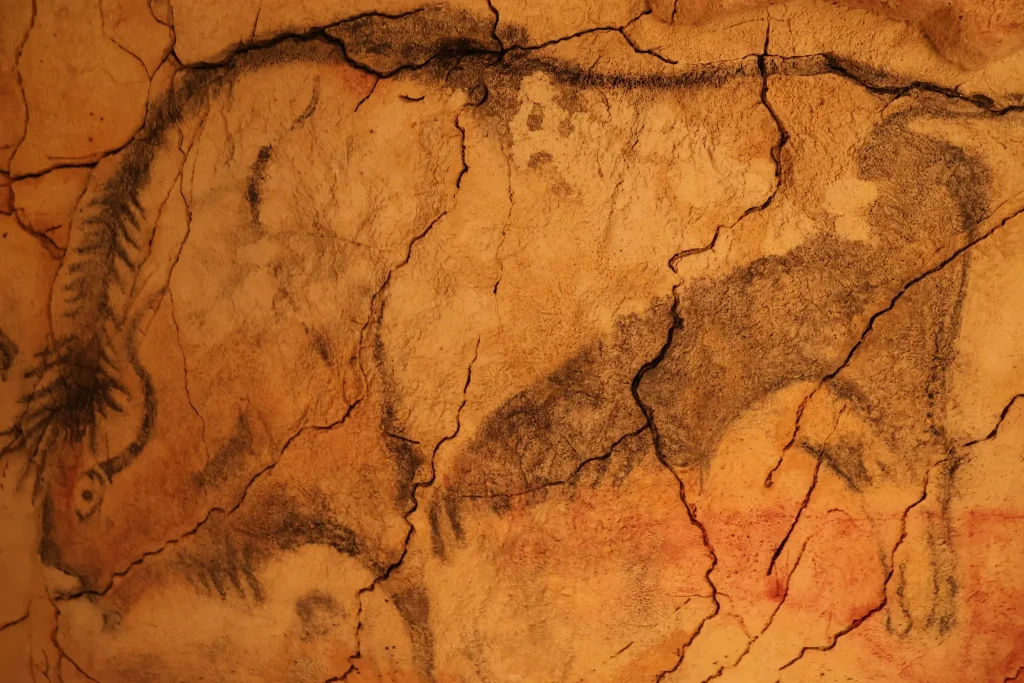
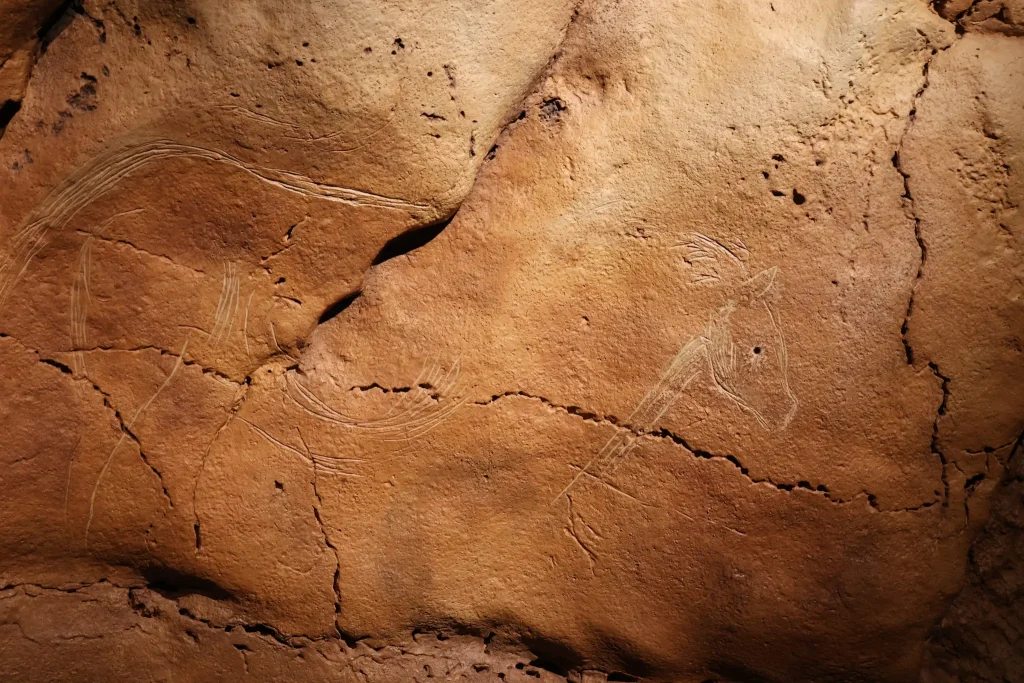
The visitor centre did allow photos, so this is one ‘cave’ where I can actually show the paintings. This cave has a lot of paintings on the ceiling. All the previous caves tend to have a limited number of paintings, as if one or two people decided to draw something, and then over a period of tens of thousands of years, nobody else had the idea to add to them.
Las Monedas
Las Monedas is so named because of a stash of coins found in a pit inside it. A few hundred years ago, it appears that a Spanish explorer went into the cave, then possibly fell down a hole. They got back out, but a pack of coins were left behind.
This was a cave with lots of different sections to it, and we got to see all of them. Due to some of our group deciding to stay behind for this cave, we didn’t need to split into two groups. This gave us twice as much time as had been planned for, so we saw more than just the paintings.
Once inside the first cavern, we split into two whilst one group went to look at the paintings. This left the other half of us behind, to enjoy the darkness of the cavern. The paintings were up in a narrow gallery above the first bit of the cave.
Then we got to head further down into the cave. All the floors were relatively smooth, but it was an interesting experience actually heading deeper down past the stalagmites and stalactites, down into the darkness.
Santimamine
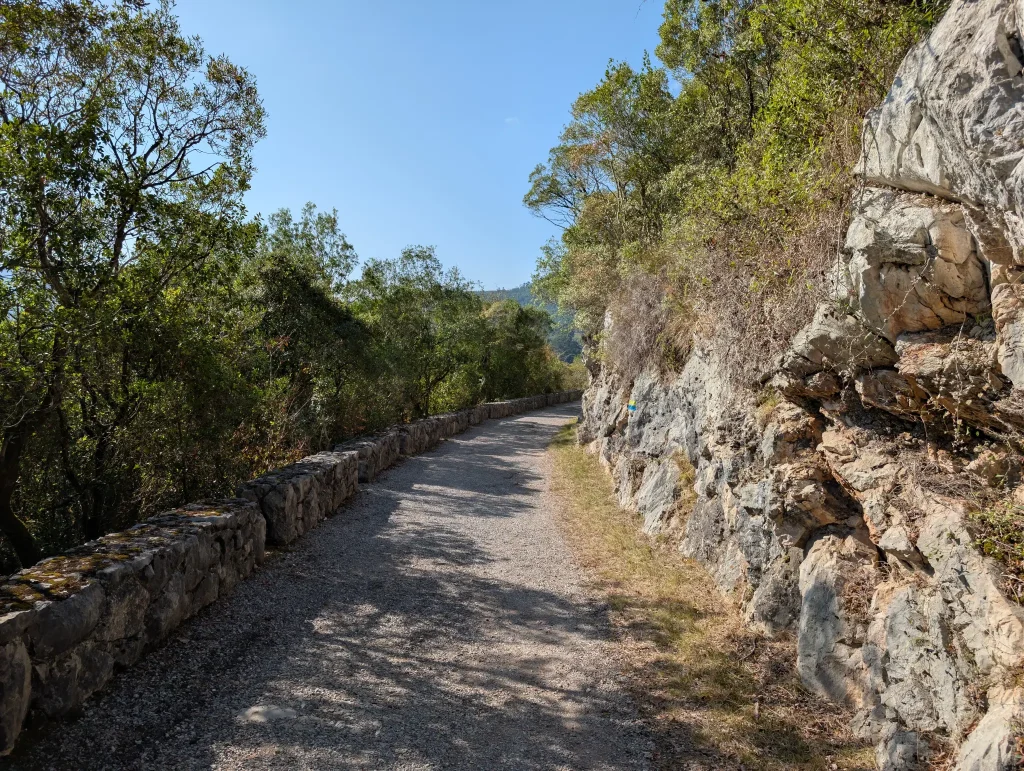
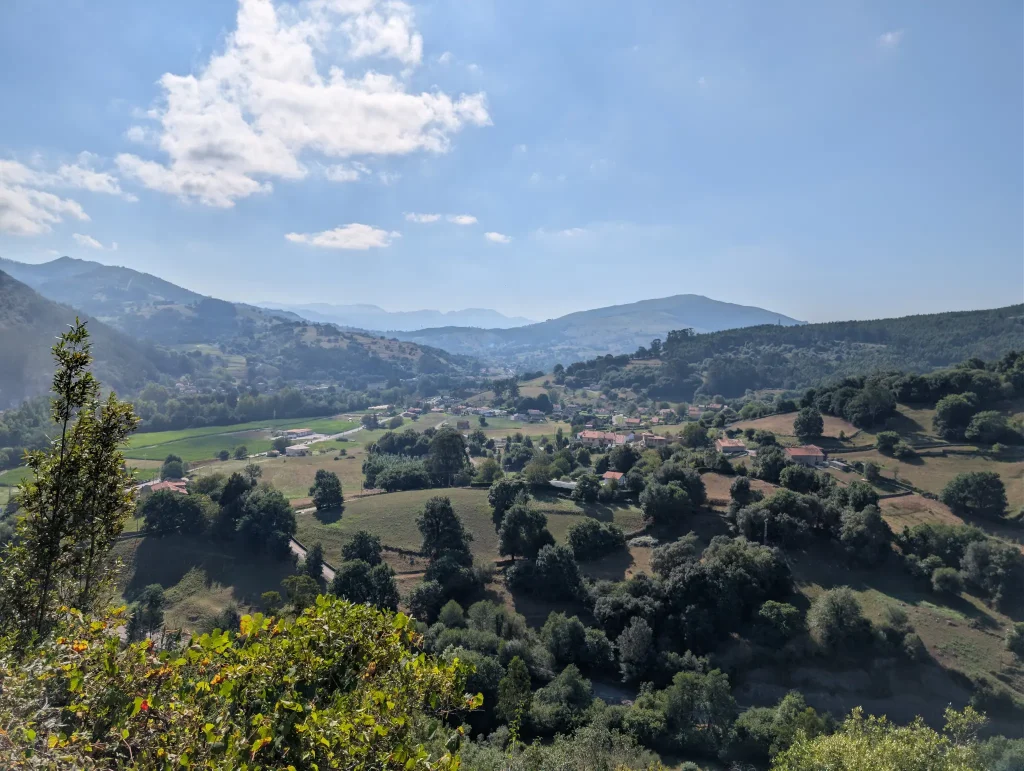
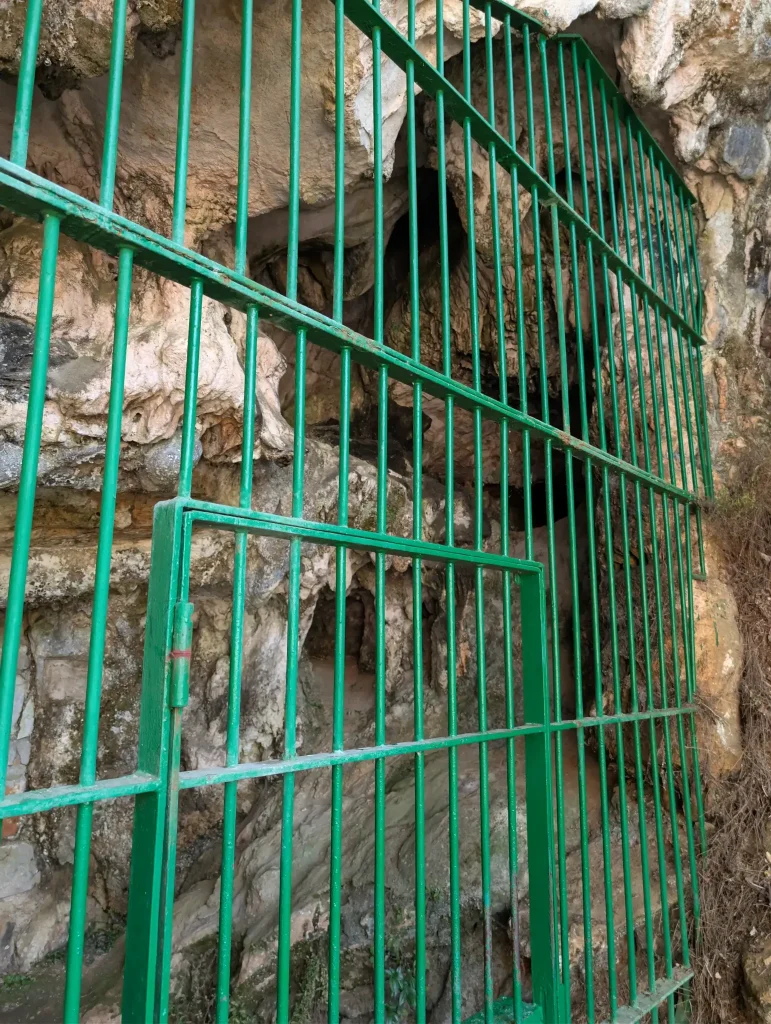
Our last cave was Santimamine Cave. This is another cave that has suffered a lot of damage from tourism. There is a video of the cave paintings in the small chapel at the base of the walk, but the cave itself is at the top of a long set of steps.
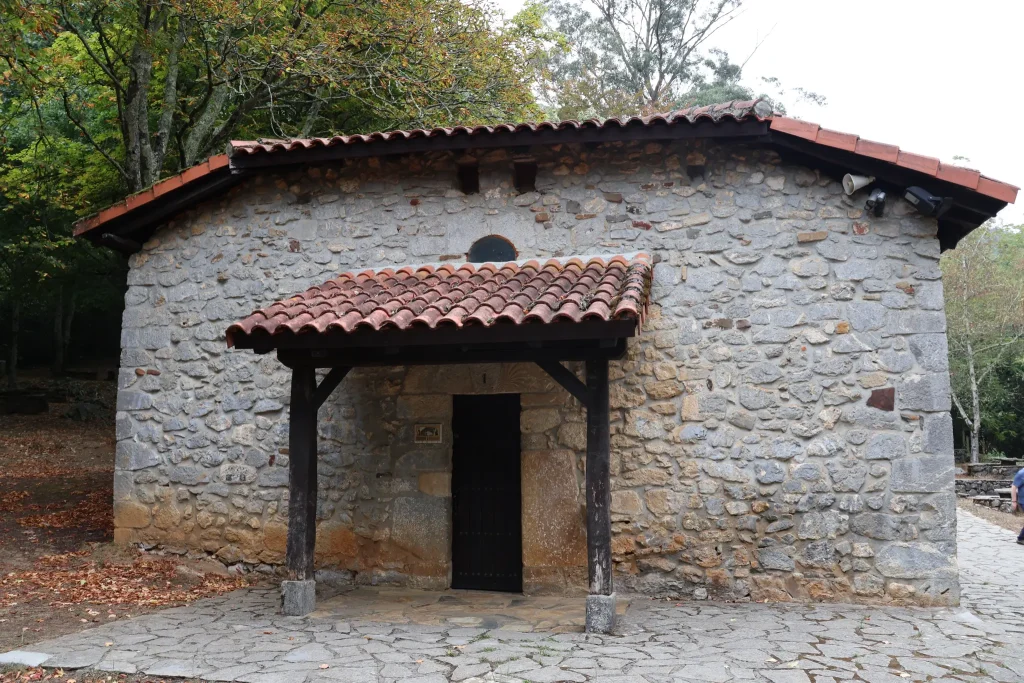
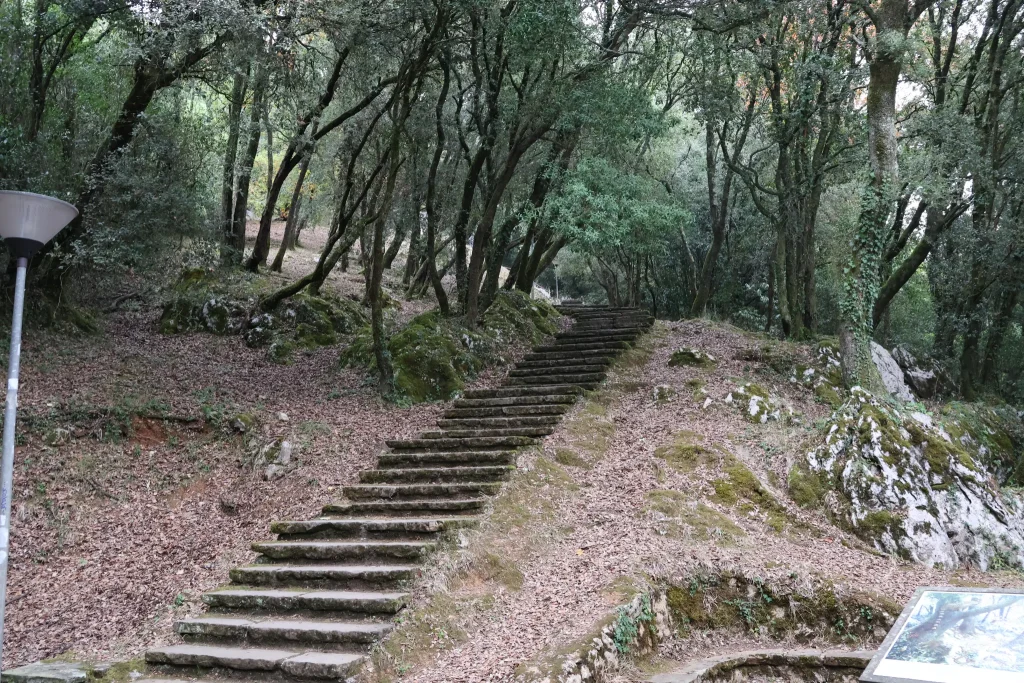
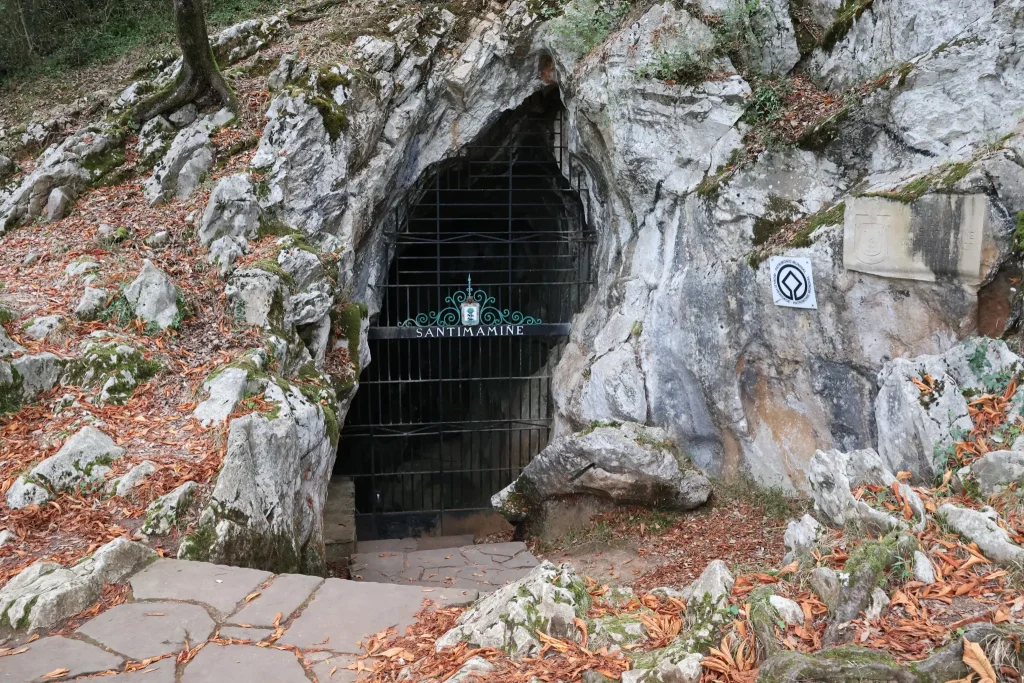
In the third photo, you can just about see a black charcoal line going down into the cave mouth (it passes the gate at the level of the horizontal bar above the SANTIMAMINE sigh. This marks the level of the ground when the cave was first discovered. Everything below that has been excavated.
The cave is long and thin, but the actual paintings aren’t reachable by tourists. There is concrete dust all over the cave (from when they put down an easy path), smoke damage (people were allowed to smoke in these caves for a long time) and other tourism caused harm, so the paintings are kept behind locked doors.
Gaming
So this isn’t entirely unrelated to gaming, since I now have the urge to play some prehistoric games. Footsore have a couple of rule sets and 28mm figures for gaming in this period. So I’ve put in an order for them.
The cave art we saw covering a period from about 14,000 to 80,000 years, and included both Homo Sapiens and Neanderthal societies. My plan is to get a couple of tribes, and I’ll probably paint each tribe as one of the two species. White skinned and red haired for the Neanderthal, and dark skinned for the Homo Sapiens. I already have some deer and bison, but I have some woolly mammoths and rhinos on the order as well.

3 Responses
-
Pingback: Mammoth Hunt – Gaming Chronicles
Wow. They’re all cool, but you went to Altarmira? That is awesome. We just recently saw a documentary on it.
We went to the museum and replica at Altarmira. Tourists aren’t allowed in the real cave anymore.